



Trump Moves to Accelerate Agenda as Democrats Resist During Shutdown

The White House released a controversial memo outlining mass federal employee firings. This signals that former President Donald Trump would push to advance his key priorities even amid a potential government shutdown. The move has sparked intense debate in Congress, and Democrats refuse to concede ground while warning of serious consequences for federal operations and public services.
The memo circulating among federal agencies outlines scenarios in which employees deemed non-essential could be removed or temporarily reassigned. Its goal is to allow Trump’s administration to maintain focus on its policy agenda. Yet, critics argue that the memo represents an unprecedented escalation in political management of the federal workforce.
Analysts say the memo reflects Trump’s consistent approach to governance. In particular, he acts aggressively, draws attention, and consolidates influence over both policy and personnel. By targeting non-essential federal employees, the administration signals it will continue advancing legislative and executive priorities even if funding lapses trigger a partial government closure.
Officials from Trump’s previous administration defended the memo in interviews with conservative media outlets. They argue that streamlining the workforce allows the White House to act decisively. Additionally, removing bureaucratic obstacles ensures federal programs continue under Trump’s guidance even amid partisan gridlock.
On the other hand, opponents warn that mass firings could destabilize key agencies. Democratic leaders stress that essential public services, from healthcare oversight to national security, rely on experienced staff who cannot be replaced overnight. They argue that the memo prioritizes politics over public welfare.
House Speaker and other top Democratic officials immediately responded. They signaled they would not approve actions that endanger federal employees or disrupt operations. In press briefings, Democrats framed the memo as a political stunt. They also emphasized the administration’s willingness to use the threat of job loss to advance partisan objectives.
Democratic members of Congress highlighted potential risks to continuity in federal programs. They warned that removing staff en masse could create administrative chaos, delay essential services, and compromise national security. As a result, several lawmakers called for hearings to examine the memo’s legality and feasibility.
Observers note that the memo could heighten tensions between the White House and Congress. Meanwhile, both sides are negotiating budget priorities. Trump’s decision to circulate guidance on mass firings may be intended as leverage, signaling to Democrats that the administration can act unilaterally to meet policy goals.
The memo also highlights the ongoing political theatre surrounding Trump’s second administration. By issuing directives that draw headlines, Trump energizes his base while keeping opponents defensive. Analysts note this approach mirrors previous strategies. Indeed, symbolic gestures and high-profile memos have often controlled media narratives and framed political debates.
The White House memo provoked strong reactions on social media. Commentators and journalists debated the potential consequences of mass firings. Critics argue such actions could damage trust in federal institutions, while supporters suggest bold steps are necessary to overcome bureaucratic inertia.
Union leaders representing federal employees vowed to challenge any attempts to execute mass firings. They cited legal protections and union contracts that safeguard workers from abrupt termination. Thus, they argue the memo oversteps executive authority and could violate federal employment regulations.
The public debate underscores how political messaging can influence perception before policies are formally enacted. The memo’s release dominated evening news cycles and online discussions, thereby amplifying impact beyond the agencies directly affected.
Legal experts warn that implementing the memo could face significant challenges. Federal employment law limits the executive branch’s ability to remove employees without due process. Union contracts typically require notice, negotiation, and grievance procedures. Consequently, agencies may struggle to maintain normal functions if large numbers of employees are abruptly reassigned or removed.
Despite these warnings, Trump’s advisers argue that the memo provides guidance rather than immediate action. Moreover, they emphasize it reflects a broader strategy to assert administrative control during a shutdown. This approach ensures the White House can continue advancing legislative and policy priorities without being hampered by partisan deadlock.
The memo marks a significant escalation in the political standoff over a potential government shutdown. While the administration signals it will accelerate priorities and maintain operational focus, Democrats remain firm, promising to protect federal employees and essential services.
As both sides navigate this high-stakes environment, the memo illustrates tension between executive ambition and legislative oversight. Observers expect intense negotiations in the coming weeks. Ultimately, Congress, unions, and the White House will weigh the consequences of Trump’s directives on federal employees and the broader public.
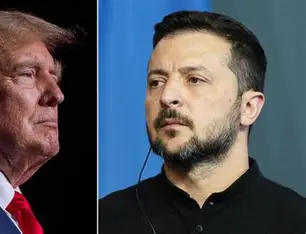
The unfolding situation underscores how executive memos, strategic personnel management, and political messaging intersect to influence governance, public perception, and legislative negotiations. Both leaders recognize the importance of visuals and messaging in a media-driven era and rely on them to tell competing stories about America’s leadership and future.