





Why Trump’s Troop Deployments to U.S. Cities Are Such a Big Deal
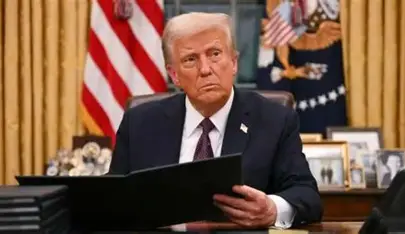
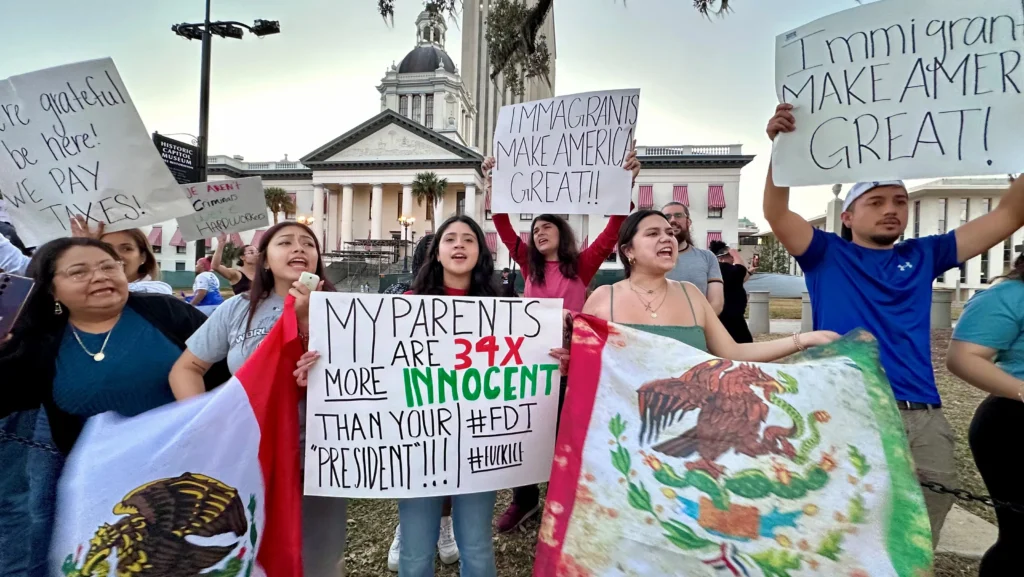
Washington, D.C., October 7, 2025 — Former President Donald Trump’s plan to deploy the National Guard and potentially federal troops to major U.S. cities such as Portland and Chicago has sparked intense legal, political, and constitutional debate. While Trump defends the move as a necessary step to combat what he calls urban chaos and lawlessness, critics warn that such deployments could erode the balance of power between federal and state governments and threaten fundamental civil liberties.
At the heart of the controversy lies a constitutional question about how much power a president has to send troops into American cities without the consent of governors or mayors. The Posse Comitatus Act of 1878 generally prohibits the use of the military for domestic law enforcement, except under specific circumstances authorized by Congress or the Constitution.
Legal experts argue that Trump’s proposed plan stretches or even breaks those limits. “If the president can deploy troops anywhere under the banner of public safety, it fundamentally alters the relationship between Washington and the states,” said constitutional law professor David Kaplan of Stanford University. “It’s not just a legal issue; it’s about who controls policing in America.”
Trump’s new deployment proposal revives memories of the 2020 protests when federal agents and National Guard troops were sent to Portland, Seattle, and Washington, D.C. The images of armed officers clashing with demonstrators outside federal courthouses ignited national outrage and led to multiple lawsuits alleging unlawful detentions and excessive force.
This time, Trump’s rhetoric has become even more forceful. He has repeatedly vowed to end anarchy in America’s cities, accusing local leaders of being too weak or unwilling to enforce the law. At campaign events, he promises that a second Trump administration will use the full power of the federal government to restore peace and patriotism nationwide.
Governors and mayors in Democratic-led states have vowed to resist any federal troop deployments without their approval. Oregon Governor Tina Kotek said that allowing such action would set a dangerous precedent where local control is overridden by presidential politics. Chicago Mayor Brandon Johnson warned that militarizing city streets would only deepen mistrust between citizens and government.
Several states have already filed legal motions aimed at blocking any unilateral federal troop action, citing violations of the Tenth Amendment, which reserves policing powers to the states. Civil rights organizations including the ACLU, Human Rights Watch, and Amnesty International USA have argued that deploying troops to American cities risks escalating violence and suppressing dissent. They point to evidence from 2020 showing that federal agents often operated without proper identification and detained citizens without cause.
“This isn’t about safety; it’s about control,” said ACLU attorney Kimberly Reyes. “Using military force against Americans exercising their rights undermines democracy itself.”
Analysts say Trump’s hardline approach is designed to appeal to voters concerned about crime and public disorder, issues that consistently rank among top voter priorities. However, his tactics carry significant political risk. “Trump’s message resonates with his base, but the imagery of troops patrolling U.S. streets could alienate moderates and swing voters,” said political analyst Charles Denton. “It reinforces fears that his leadership style leans toward authoritarianism.”
As legal challenges mount, the courts may soon be asked to decide how far a U.S. president can go in using military power domestically. The outcome could shape the boundaries of executive authority for decades.
For many Americans, the debate is about more than law enforcement. It is a test of the nation’s democratic institutions, the independence of state governments, and the limits of presidential power in times of unrest.
“The question is simple but profound,” said Professor Kaplan. “Can America maintain its balance between security and liberty, or will fear and politics tip the scale?”