


Sniper Attack at Dallas ICE Facility Raises National Security Concerns
Fatal Shooting Sparks Alarm Over Targeted Attacks
Just weeks after the assassination of Charlie Kirk by a sniper, another gunman opened fire at a Dallas Immigration and Customs Enforcement (ICE) facility, killing one detainee and injuring two others. Officials confirmed that the shooting was a targeted attack. Investigators recovered bullet casings etched with the words “Anti-ICE,” further underscoring the political and ideological motivations behind the incident.
The violence comes amid heightened concerns about extremist activity across the country. Authorities are working to determine whether the Dallas shooting is connected to broader movements encouraging attacks on federal facilities and public figures.
Ideological Radicalization and Domestic Extremism
Beyond the physical dangers, Swecker identified the underlying fuel of this wave of violence: radicalization and indoctrination. He drew parallels to how international terrorist organizations use propaganda videos to motivate recruits, saying the U.S. is now facing a similar internal problem.
“We’re seeing indoctrination material being pushed here at home, sometimes even by public figures who know they’re motivating unstable individuals,” he said. “It’s not much different from what Hezbollah or al-Qaeda did with recruitment tapes.”
Swecker urged lawmakers to close what he called a critical gap in U.S. law: the absence of a comprehensive statute addressing domestic terrorism. While the U.S. has laws criminalizing support for international terrorist groups, similar tools are lacking for homegrown extremist networks.
“We need a material support statute on the domestic side,” Swecker argued. “If someone provides motivation or indoctrination material to domestic terrorists, that should be a felony punishable by years in prison.”
FBI Warns of Clear and Present Danger
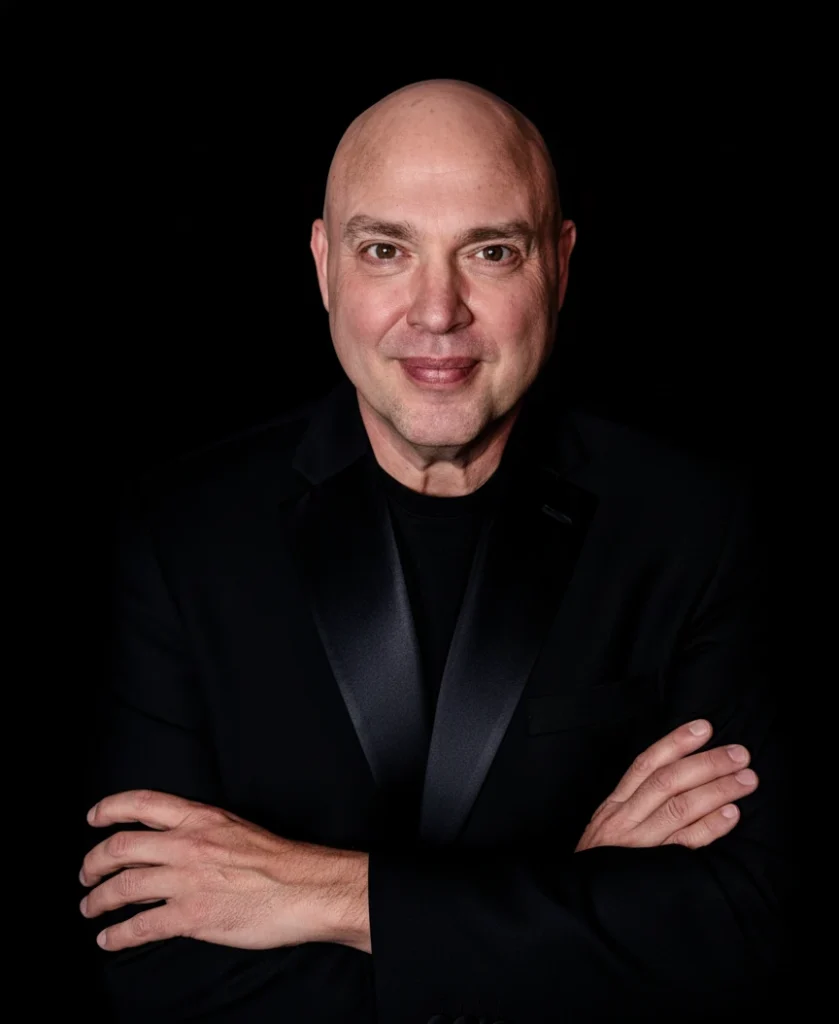
Former FBI Director Chris Swecker, speaking on the threat, emphasized that the pattern of sniper attacks poses a “clear and present danger.” He explained that while historically the public was not considered a likely target for such assaults, the current wave of ideologically motivated shooters is creating significant risk.
“My mind goes to parades and public events where there are large crowds,” Swecker said. “At the Charlie Kirk rally, that shooter could have targeted people in the audience and caused mass casualties. Any event now has to account for rooftops, crowd safety, and enhanced security measures similar to those seen at presidential visits or high-profile events like the Super Bowl.”
Swecker also warned that the rise of “viral epidemic snipers” is being fueled by individuals in the public sphere who spread extreme rhetoric to gain attention, indirectly motivating vulnerable individuals to commit acts of violence.
Radicalization and Calls for Domestic Terrorism Statutes
Discussing the roots of the threat, Swecker pointed to radicalization both online and through public officials. He compared the indoctrination methods of extremist groups like Hezbollah with the domestic climate today.
“When I worked terrorism cases, indoctrination videos were central to motivating members. That’s what we’re seeing now—except it’s happening here, amplified by irresponsible voices in the public eye,” he said.
Swecker called for stronger legal tools, including a statute targeting domestic terrorism. He argued that providing any form of support, motivation, or indoctrination to domestic terrorists should carry severe federal penalties, similar to material support statutes used in international terrorism cases.
Balancing Security With Public Life
Despite the growing danger, Swecker urged that Americans continue their daily lives while staying vigilant. Drawing parallels to the post-9/11 security environment, he advised citizens not to avoid public spaces but to adopt a heightened sense of awareness.
“We didn’t tell people not to go out after 9/11. We told them to be aware. If you see something, say something,” Swecker stressed. He encouraged the public to report suspicious behavior without fear of stigmatization, noting that law enforcement can distinguish credible threats from false alarms.
Examples of red flags include individuals leaving unattended bags, wearing trench coats in hot weather, or carrying long objects in unusual settings. “Just common-sense things that raise the hair on the back of your neck,” he explained.
Urgent Need for Swift Law Enforcement Action
Swecker emphasized that law enforcement agencies must act decisively when credible warnings are reported. He pointed to cases where suspects were observed in suspicious positions prior to attacks but were not stopped in time.
“When you see it, report it, and then law enforcement has to act quickly,” he said, noting that hesitation can cost lives.
As investigations continue into the Dallas ICE facility shooting, federal officials, security professionals, and local law enforcement are being urged to adapt rapidly to this evolving threat. The incident highlights not only the danger of lone-wolf shooters but also the need for communities to remain both resilient and vigilant.