



America’s Toughest Immigration Year: Visa Bans, Work Permit Cuts, and a $70 Billion Enforcement Budget Transform US Immigration Policy in 2026
Published: Thursday, May 21, 2026 | Breaking News
No year in recent American history has brought more simultaneous changes to immigration policy than 2026. From visa bans affecting 75 countries to work permit duration cuts that affect people already living lawfully in the United States, the breadth and speed of the transformation is reshaping American immigration in ways that will take years to fully understand and decades to fully reverse.
The year opened on January 1 with a Presidential Proclamation fully or partially suspending entry and visa issuance for nationals of 39 countries. That ban applies across immigrant and non-immigrant categories for the affected nationalities. Simultaneously, the State Department imposed a separate pause on immigrant visa issuance for 75 countries, a measure that does not stop temporary visas like H-1B or student F-1 visas, but that freezes the pathway to permanent residency for millions of people in the backlogged immigration system.
The immigrant visa pause is creating cascading effects in professional sectors that depend heavily on immigrant talent. Technology companies, hospitals, universities, and research institutions are watching employees and prospective hires navigate a system that has effectively stopped processing green card applications for large portions of the world. Workers already inside the United States on temporary visas who were expecting to transition to permanent residency find themselves in extended legal limbo, unable to leave the country for family emergencies without jeopardizing their ability to return.
Work permit duration changes announced this month are the most direct impact on people’s daily lives. The administration reduced Employment Authorization Documents issued to refugees, asylees, and immigrants with pending green card or asylum applications from a five-year validity to a maximum of eighteen months. For a worker whose green card application has been pending for eight years, this means completing that work authorization renewal process five or six times before their case resolves. Every renewal carries fees, forms, biometric appointments, and the possibility of a processing error that leaves them unable to work legally.
The House of Representatives passed a budget blueprint in May that authorizes up to $70 billion in additional immigration enforcement spending over three years. The measure passed on a party-line vote, 215 to 211. Combined with enforcement funds already obligated, this would create the largest sustained immigration enforcement infrastructure in American history. The budget funds additional ICE agents, detention facility expansion, deportation flight capacity, and technology systems for tracking immigration status.
Inside the immigration court system, the Board of Immigration Appeals issued a major ruling in the case of Matter of Santiago-Santiago. The decision establishes that having valid DACA status no longer automatically terminates removal proceedings. Immigration judges must now weigh multiple factors including the Department of Homeland Security’s position before deciding whether to close a deportation case against a DACA recipient. The practical effect is to keep hundreds of thousands of DACA cases potentially active in the immigration court system, adding to a backlog that already exceeds three million pending cases.
The H-1B visa category, which covers high-skill workers in technology, engineering, medicine, and other specialty occupations, is experiencing new friction despite not being directly targeted by the immigrant visa pause. The State Department’s expansion of social media review requirements to H-1B applicants and their H-4 dependent spouses means that applying for or renewing an H-1B visa now requires disclosing social media identifiers and maintaining public account visibility during adjudication. Technology sector employers report increased caution among Indian and Chinese candidates about accepting US job offers given the expanding surveillance requirements.
Seasonal industries face their own pressures. The H-2B temporary work visa, which allows employers in landscaping, hospitality, seafood processing, and construction to hire foreign workers when domestic labor is insufficient, hit its annual cap early this fiscal year. A third allocation of 18,490 additional H-2B visas for jobs starting between May and September 2026 was made available, but business owners report that the paperwork burden and timeline uncertainty are causing some workers to seek opportunities in Canada and Australia instead.
Read More: Trump’s $170 Billion Immigration Enforcement Surge Triggers Legal Battles, Labor Shortages, and Political Firestorm Across America
Legal advocacy organizations are filing challenges to multiple aspects of the new immigration architecture in federal courts across the country. District court judges have issued injunctions against specific measures, and the administration has appealed those injunctions to the circuit courts. At least two immigration cases are expected to reach the Supreme Court in its next term, potentially addressing the fundamental question of how much authority the executive branch holds to restructure immigration processing through administrative action without congressional approval.
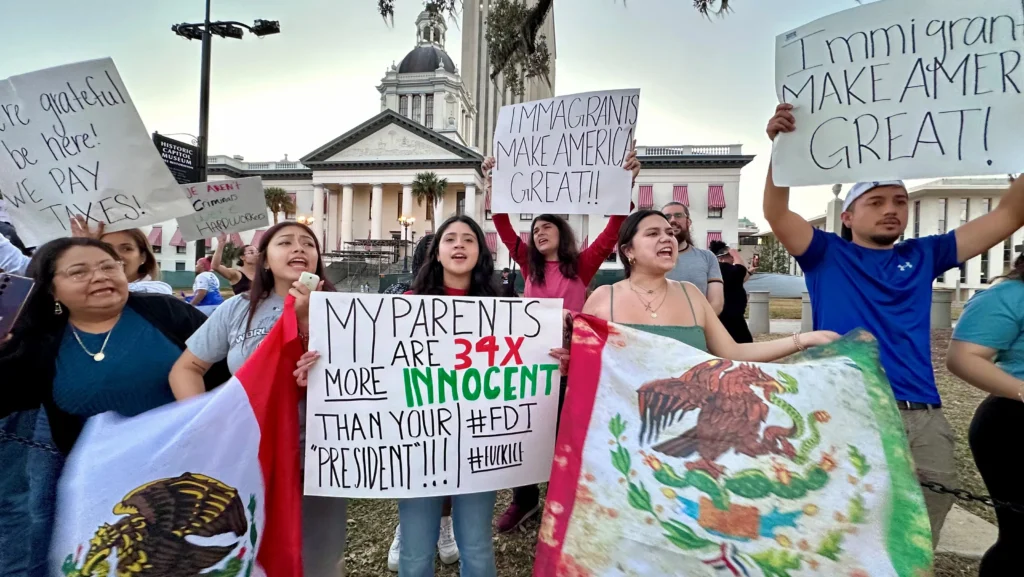
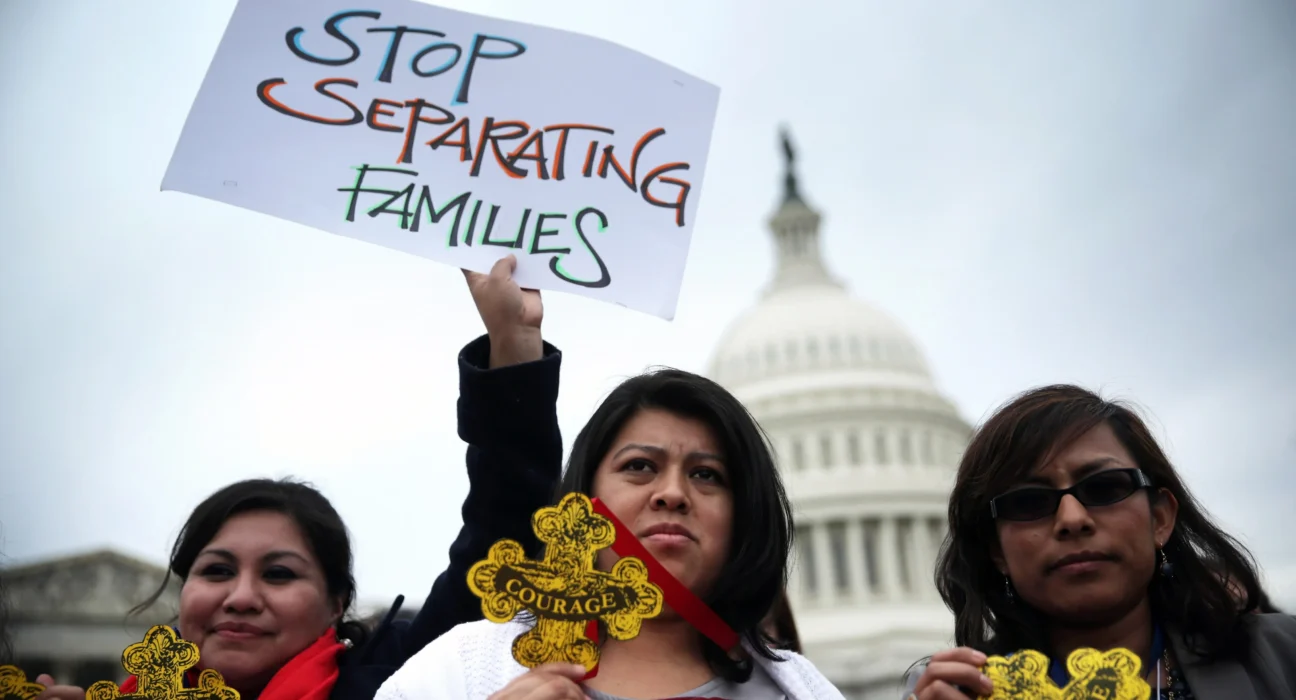
The human dimension of these statistics is measured in family separations, interrupted educations, abandoned business plans, and professional careers derailed. It is also measured, supporters of the policies argue, in border communities with more controlled migration flows and in labor markets where they believe employer demand for cheaper foreign labor had suppressed wages for American workers. Both of those realities coexist in an immigration debate that shows no sign of producing the legislative compromise that immigration lawyers, employers, and advocacy groups across the political spectrum agree is the only durable solution.