




Iran Nuclear Talks, Oil Market Volatility, and the Hormuz Chokepoint How the Middle East Crisis Is Reshaping the Global Economy
The military confrontation between the United States and Iran has evolved into the most economically disruptive geopolitical crisis since Russia’s full-scale invasion of Ukraine in 2022, sending shockwaves through global oil markets, insurance systems, shipping networks, and the digital infrastructure that connects the world’s economies. Four months into active US military operations against Iranian targets, the situation has settled into a pattern of sustained pressure and Iranian resistance that neither side has found a formula to resolve, and the global economy is absorbing costs that compound with every passing week.
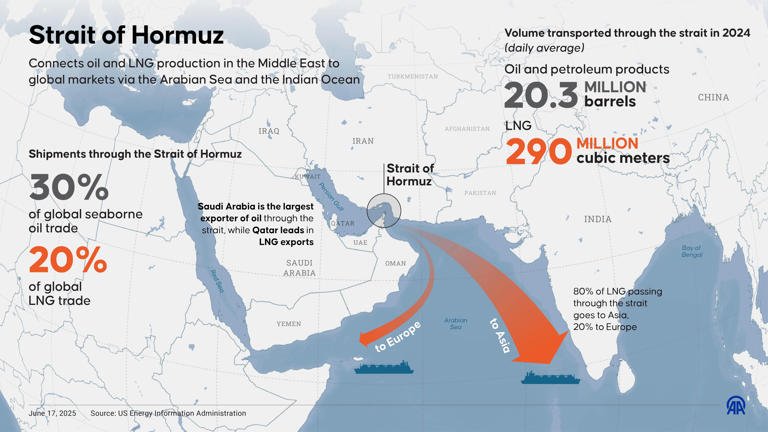
The Strait of Hormuz sits at the center of the crisis. Roughly 20 percent of the world’s daily petroleum supply transits this narrow passage between Iran and the Arabian Peninsula, along with massive quantities of liquefied natural gas from Qatar and the UAE. Iran has repeatedly threatened to close the strait through a combination of naval action and sea mine deployment, and while it has not yet executed a full closure, the threat alone has been sufficient to push Hormuz maritime insurance premiums to their highest levels since the 1980s tanker war. Commercial shipping companies are now routinely rerouting vessels around Africa’s Cape of Good Hope, adding 10 to 14 days of transit time and proportionate increases in fuel and crew costs.
The direct impact on energy prices is severe but unevenly distributed. Oil-exporting nations including Saudi Arabia, the UAE, Iraq, and Nigeria are collecting revenue windfalls from elevated prices. OPEC+ has maintained discipline in its production agreements, resisting pressure from consuming nations to increase output and ease prices. The cartel’s unity has held partly because member states recognize that the current price environment represents a generational opportunity to replenish sovereign wealth funds and fund domestic development programs that higher-than-budgeted revenues make possible.
For oil-importing economies across Europe, Asia, and sub-Saharan Africa, the price environment is causing serious pain. The IMF has explicitly identified the Middle East energy shock as a primary near-term risk for European economies, warning that the policy challenge is to respond decisively without repeating costly mistakes from previous energy crises. European consumers are paying elevated prices for natural gas, heating oil, and electricity that are driving inflation higher even as underlying economic demand in manufacturing and construction remains sluggish.
Sub-Saharan African economies are bearing some of the heaviest burdens. Nations that import most or all of their petroleum including Kenya, Tanzania, and most of West Africa’s smaller economies are seeing fuel subsidy costs balloon, pushing fiscal deficits wider and forcing difficult choices between supporting domestic fuel prices and maintaining debt service obligations. The IMF’s April 2026 Regional Economic Outlook for Sub-Saharan Africa specifically warned that an intensification of the Middle East war would push oil, fertilizer, and food prices further upward, weighing down growth for the continent’s oil-importing majority.
Iran has introduced a new economic weapon into the confrontation: the threat to impose fees on submarine internet cables transiting the Strait of Hormuz. Approximately 95 percent of international internet traffic travels through undersea cables, and several critical cable systems run through or near the strait. Iranian state-linked media has framed the cable-fee proposal as a sovereignty issue, but its strategic purpose is transparent: to give Tehran leverage over the global digital economy equivalent to its existing leverage over the physical energy economy. No international legal framework currently exists to govern cable passage through straits claimed by hostile states.
Read More: Global Food Security Crisis Worsens as Gaza Aid Drops 37 Percent and Hormuz Energy Shock Squeezes Agricultural Supply Chains
US negotiators have pursued talks with Iranian counterparts through intermediaries in Oman and Pakistan while simultaneously maintaining the military campaign that Iran describes as an act of war. The Trump administration has extended ultimatums threatening core Iranian infrastructure without following through on the most severe threatened actions, a pattern that the Council on Foreign Relations warns is eroding American deterrent credibility. Iran’s Foreign Minister has used BRICS forums to build a coalition of sympathy among emerging economies that share grievances about American unilateralism.
The medium-term outlook depends on variables that no analyst can confidently predict: whether US-Iran talks produce a framework agreement, whether Iran moves from threatening to actually disrupting cable infrastructure, whether OPEC+ maintains production discipline, and whether the ongoing US-China relationship can produce the kind of coordinated pressure on Iran that historical crises have sometimes generated when the great powers aligned. None of those outcomes looks certain, and the global economy will continue to absorb the costs of uncertainty until they are resolved.