




Global Oil Crisis Deepens as Strait of Hormuz Remains Blocked, Brent Stays Above Pre-War Levels and Energy Inflation Spreads Worldwide
BREAKING NEWS DESK | INTERNATIONAL BUREAU | JUNE 7, 2026
The global energy crisis triggered by the Middle East conflict that began in late February 2026 shows no sign of resolution this week, with the Strait of Hormuz still substantially closed to commercial tanker traffic, oil prices holding well above pre-conflict levels, and the International Energy Agency warning that cumulative supply losses from the disruption have now exceeded one billion barrels, the largest sustained energy market shock since the Arab oil embargo of the 1970s.
Brent crude futures, the global benchmark used by refiners, airlines, shipping companies, and national energy ministries worldwide, remain roughly one-third above their levels from before the conflict began, according to IEA data released in late May 2026. Physical crude markets show even steeper premiums as refiners that depend on Persian Gulf supplies scramble to secure alternative cargoes from West Africa, the United States, Norway, and other producers whose output cannot fully replace what the Strait of Hormuz normally carries. More than 14 million barrels per day of oil production has effectively been shut in by a combination of direct infrastructure damage, insurance market pullbacks that make tanker operators unwilling to risk their vessels in contested waters, and export restrictions imposed by producing nations that cannot safely move their crude to market.
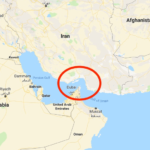
The Strait of Hormuz is physically 21 miles wide at its narrowest point. Through that bottleneck, approximately a quarter of the world’s seaborne oil trade normally moves each day, along with around 20 percent of the global supply of liquefied natural gas. The near-total closure of the passage since March represents a supply shock of a magnitude the global economy has never experienced through a single chokepoint. The World Bank described it in its April 2026 Commodity Markets Outlook as the largest oil market disruption in history, noting that by the end of March, Brent prices had risen roughly 65 percent from their pre-conflict baseline, recording the highest single-month percentage increase ever measured.
The human impact of elevated energy prices spreads across every continent. European natural gas prices, measured by the Dutch TTF benchmark, rose more than 40 percent between late February and late May, increasing heating and electricity bills for households already stretched by years of post-pandemic inflation. Airlines have passed higher jet fuel costs to travelers through surcharges that suppress demand for international flights at a critical moment for aviation industry recovery. Shipping freight rates climbed as operators rerouted tankers around Africa’s Cape of Good Hope to avoid the Persian Gulf, adding days to voyage times and thousands of dollars to per-voyage costs that ultimately appear in the prices of goods on supermarket shelves and factory floors.
Developing economies suffer the sharpest consequences. Nations in sub-Saharan Africa, South and Southeast Asia, and Central America that depend on imported refined products for electricity generation, transportation, and agricultural machinery face fuel price increases that their citizens cannot absorb and their governments cannot fully subsidize. The African Development Bank projected this week that African inflation will reach 10.4 percent in 2026, with higher energy and fertilizer costs among the primary drivers.
Read More: Iran War Oil Shock Sends Energy Costs Spiraling Worldwide: How the Strait of Hormuz Crisis Became the Biggest Global Supply Chain Catastrophe of the 21st Century
The United States, as the world’s largest oil producer, benefits partially from elevated prices that boost revenues for domestic energy companies and make American LNG exports more commercially attractive to European buyers desperate for alternatives to Russian gas. However, American consumers face higher pump prices, and American manufacturers that use energy-intensive production processes see input cost increases that erode competitiveness.
OPEC+ members that export through routes other than the Strait of Hormuz, including producers in West Africa, the United States, and Norway, have moved to expand output, though production growth elsewhere offsets only a fraction of the supply lost from the Gulf. The IEA projects that once tanker traffic through Hormuz eventually resumes, global oil inventories will rebuild rapidly, potentially driving prices sharply lower as supply catches up with reduced demand. The timing of that normalization depends entirely on a diplomatic breakthrough that, as of the first week of June 2026, remains out of reach.