




Global Oil Prices at Crisis Levels as Iran Peace Talks Collapse: What the Strait of Hormuz Breakdown Means for the World Economy

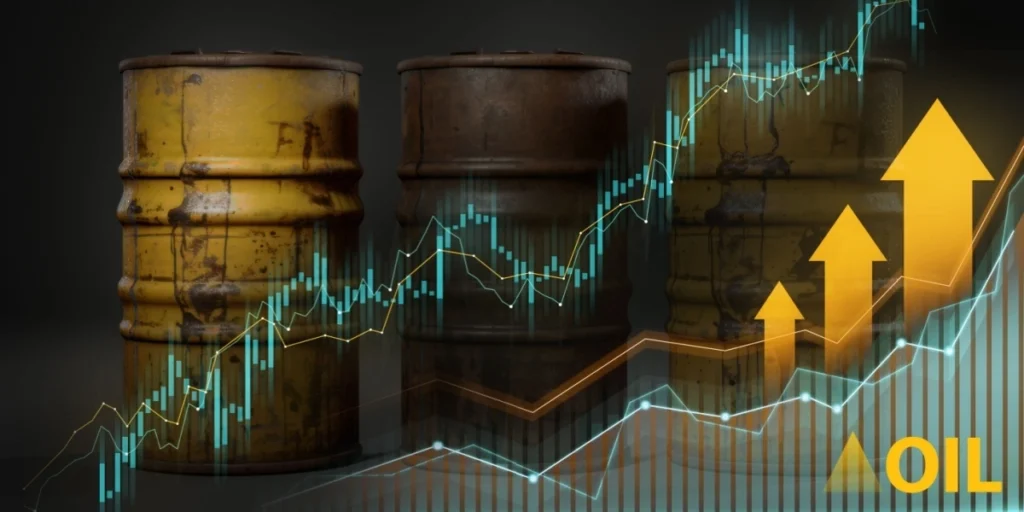
The world economy is absorbing fresh shock waves this week after Iran’s government announced on June 1 that it would halt all negotiations with the United States and threatened to fully close the Strait of Hormuz in response to ongoing ceasefire violations. The collapse of peace talks that had appeared close to conclusion sends Brent crude oil surging past $108 per barrel and revives fears of prolonged economic disruption stretching from American gas stations to African import budgets to Asian manufacturing supply chains.
The Strait of Hormuz is the most critical energy transit point on the planet. During normal conditions, roughly 20 percent of the world’s daily oil supply and a substantial share of global liquefied natural gas exports pass through the 21-mile-wide waterway connecting the Persian Gulf to the Arabian Sea. Iran has controlled access to the strait since launching counter-strikes in response to the U.S.-Israeli military campaign that began on February 28, 2026, and which killed Iranian Supreme Leader Ali Khamenei.
The scale of the supply disruption is severe. The U.S. Energy Information Administration estimates that global oil inventories fell by an average of 8.5 million barrels per day during the second quarter of 2026, directly attributable to restricted Strait of Hormuz traffic. That inventory drawdown, sustained over months, has pushed energy prices to levels that are fundamentally incompatible with stable global growth. Brent crude and U.S. crude futures remain nearly 78 percent higher than their levels at the start of 2026.
OPEC+ attempted to provide relief at its May 3 meeting by announcing an output increase of 188,000 barrels per day effective in June. That decision came at the cartel’s first gathering since the UAE’s shock departure from the group in late April, when Abu Dhabi concluded that its national interest lay outside the production alliance after nearly six decades of membership. The UAE had been OPEC’s third-largest producer. The remaining seven major OPEC+ members, led by Saudi Arabia and Russia, approved the increase but acknowledged that it cannot compensate for the scale of Middle East supply losses caused by the ongoing conflict.
The diplomacy of recent weeks raised and then crushed market hopes in rapid succession. Trump announced on May 23 that a peace deal with Iran was “largely negotiated” and would be announced shortly. Details that emerged indicated a proposed 60-day memorandum of understanding under which Iran would reopen the strait without tolls, remove all naval mines it had deployed, and commit to nuclear negotiations in exchange for the lifting of U.S. port blockades and permission to resume oil sales. Pakistan’s Prime Minister Shehbaz Sharif, who has served as the key mediator, offered congratulations to Trump for his diplomatic efforts.
But the deal unraveled before final signatures. Iran’s chief negotiator struck a defiant tone, insisting that Iran would not yield to a party that had “never shown sincerity.” Tehran tied any agreement to conditions that Washington and Tel Aviv have so far refused to accept, including a full Israeli withdrawal from Lebanon and a complete cessation of military operations in both Lebanon and Gaza. Then, on June 1, Iranian state media reported that Tehran would stop exchanging messages through intermediaries entirely and would move to fully close the strait.
The immediate market response confirmed how much investor sentiment had been built on diplomatic optimism. Brent and WTI crude prices, which had retreated from their highs as deal prospects grew, reversed sharply on news of the breakdown. Shipping insurance rates for vessels transiting the region climbed again, and freight forwarding companies warned clients of further delays to already strained supply chains.
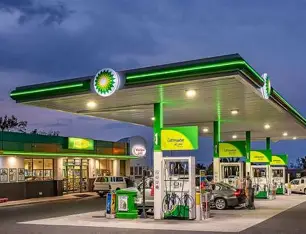
For the U.S. economy, the implications are direct and serious. American retail gasoline averages roughly $3.88 per gallon heading into the summer driving season, the period of highest annual fuel demand. Persistent fuel costs feed through to transportation, food distribution, and manufacturing, keeping core inflation elevated and limiting the Federal Reserve’s ability to support growth through lower interest rates. The political consequences are no less severe, arriving as Republicans defend congressional majorities ahead of November’s midterms.
Read More: Global AI Industry Revolution: Colorado’s Historic AI Law Activates June 30 as US-EU Regulatory Race Accelerates and Tech Giants Face Billion-Dollar Compliance Costs
Globally, the consequences scale differently across income levels. The United States benefits from near-record domestic shale output from the Permian Basin, producing close to 13.6 million barrels per day, providing a structural buffer unavailable to most other importing nations. Europe, Asia, and particularly Africa face the full brunt of elevated import costs with far fewer domestic alternatives. Analysts warn that sustained Brent prices above $100 could trigger recession conditions in several emerging market economies over the next two quarters if the Strait of Hormuz remains restricted.
The world is watching whether a new round of talks can be initiated before the situation deteriorates further. Every day the Strait remains effectively closed, the economic costs compound, the humanitarian pressures intensify, and the political appetite for compromise in both Washington and Tehran becomes harder to sustain.