






Australia Repatriates Families From Syrian Camps as Global Governments Wrestle With Legacy of ISIS Detentions and Stateless Children
By USA News Reporters International Desk | May 7, 2026 | Australia, Syria, ISIS, Immigration, Human Rights
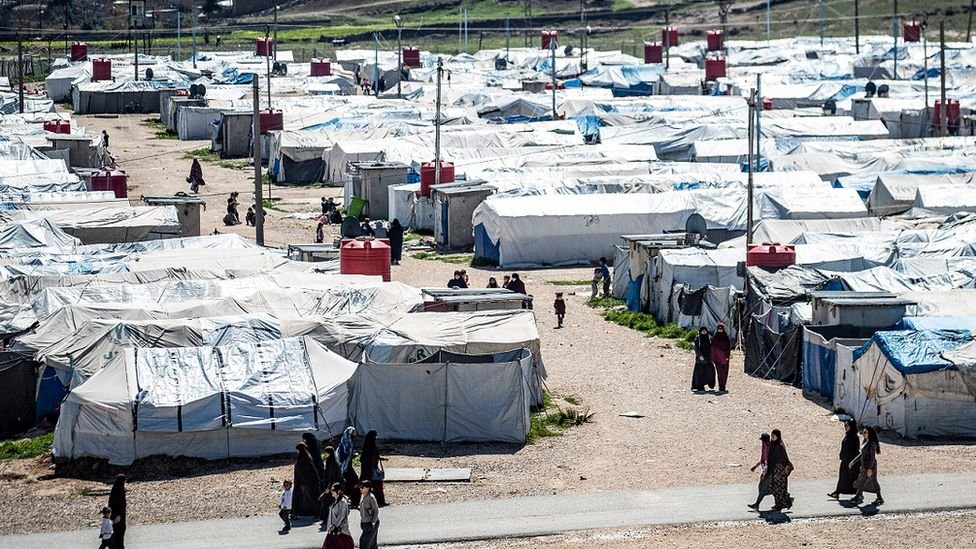
The Australian government this week facilitated the repatriation of four women and nine children from the Roj Camp in northeastern Syria, a sprawling detention facility that houses individuals with alleged ties to the Islamic State. Home Affairs Minister Tony Burke confirmed that the government received notification on Wednesday that the group had booked commercial flights from Damascus to Australia, marking the second major repatriation effort coordinated by Syrian authorities in conjunction with foreign governments seeking to bring their nationals home.
The Roj Camp, located in territory controlled by Syrian Democratic Forces in eastern Syria, holds thousands of women, children, and some men from dozens of countries who ended up there following the territorial collapse of the Islamic State’s self-declared caliphate. The question of what to do with these individuals, many of them children who were either born inside ISIS-controlled territory or taken there as infants, has generated intense legal, moral, and political debate across Western democracies for years.
Australia’s repatriation decision reflects a gradual shift in how Western governments are approaching the ISIS detainee question. Early in the post-caliphate period, most governments, including Australia’s, were deeply reluctant to bring back adults who had traveled to join ISIS, citing national security risks and the difficulty of prosecuting individuals for offenses committed on foreign soil under foreign jurisdiction. Children, however, present a more complex moral calculation. Courts in multiple countries have ruled that governments have legal obligations toward their citizen-children regardless of the circumstances of their parents.
Burke acknowledged that some of those seeking voluntary return do not have current legal documentation to reside in Australia, with expired visas or irregular status. He said that missions are working through these cases individually, describing it as a humanitarian process rather than a blanket amnesty. Security agencies will screen all returning individuals, and adults face potential prosecution under Australia’s counterterrorism laws.
The broader international situation in Syria remains deeply unstable. The government of Syria, following recent political changes in Damascus, has taken a more active role in facilitating repatriation movements, a development that international human rights organizations cautiously welcome. However, conditions in camps like Roj remain dire. Overcrowding, inadequate medical care, psychological trauma among long-term detainees, and the absence of educational provision for the thousands of children inside are ongoing humanitarian emergencies that camp management organizations have documented extensively.
The United States, the United Kingdom, France, and several other nations continue to grapple with the same dilemma, balancing the security risks of repatriation against the legal and moral obligations to citizens, particularly children who cannot be held accountable for decisions made by their parents. American civil liberties organizations have filed multiple legal challenges on behalf of U.S. citizen children in Syrian camps, and courts have in several cases ordered the U.S. government to facilitate return.
Read More: Global Economy Faces Stagflation Risk as Iran War Oil Shock Collides With Slowing Growth Across Major Economies
For countries that do repatriate, the challenge does not end at the airport. Reintegrating children who have spent formative years in conflict zones and detention camps into mainstream society requires sustained investment in psychological support, education, language acquisition, and community integration programs. Governments that have led on repatriation, including Kosovo and Kazakhstan, report that the process is expensive and slow but that outcomes for repatriated children are significantly better than for those left to languish indefinitely in camp conditions.
Human rights advocates argue that the longer Western democracies delay repatriation, the more they risk creating a generation of permanently stateless, traumatized young people with no connection to any functional society and no pathway to productive lives. The Australia case this week is a small step. Across the global community of nations with nationals in Syrian camps, it will take many more such steps before the human legacy of the ISIS era is fully addressed