





Trump Threatens to Resume Iran Bombing as 23,000 Seafarers Remain Stranded and Nuclear Deal Framework Hangs by a Thread
By USA News Reporters War & Diplomacy Desk | May 7, 2026 | U.S.-Iran War, Nuclear Deal, Global Energy, Diplomacy
Trump and Iran are navigating the most delicate and dangerous 48 hours of their ongoing conflict, with the Trump administration’s conditional offer of a ceasefire framework hanging on whether Tehran will accept terms that Washington says are non-negotiable and Tehran describes as a basis for negotiation rather than a final agreement. At stake is not only the fate of the Strait of Hormuz and the global oil market, but the lives of 23,000 seafarers from 87 nations whose vessels remain stranded in the Persian Gulf and the broader question of whether the world’s most volatile regional conflict can be resolved through diplomacy or will escalate into a second, more devastating military phase.
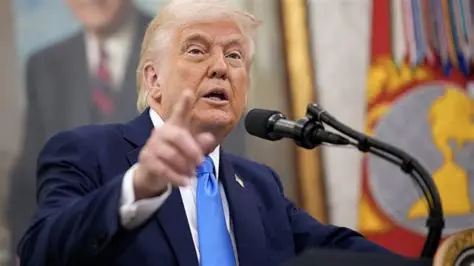
President Trump made the terms of his ultimatum explicit in a Truth Social post on Wednesday: ‘Assuming Iran agrees to give what has been agreed to, which is perhaps a big assumption, the already legendary Epic Fury will be at an end, and the highly effective Blockade will allow the Hormuz Strait to be OPEN TO ALL, including Iran.’ He then delivered the threat: ‘If they don’t agree, the bombing starts, and it will be, sadly, at a much higher level and intensity than it was before.’
The diplomatic architecture around the talks is elaborate. Pakistan is serving as the principal mediator, a role that reflects Islamabad’s careful balancing of its relationships with Washington and Tehran. Iran’s delegation reportedly submitted a 14-point proposal to Pakistani mediators calling for U.S. withdrawal of troops from positions near Iran and an end to the port blockade that the United States imposed on April 13. The U.S. is working on what Axios described as a one-page memorandum of understanding establishing a framework for ending the war and creating conditions for subsequent detailed nuclear negotiations.
The nuclear question remains the hardest obstacle to any agreement. International inspectors and U.S. intelligence agencies say Iran has accumulated more than 400 kilograms of uranium enriched to levels approaching weapons grade, well beyond what any civilian nuclear energy program requires. This stockpile, concentrated primarily at the Isfahan nuclear site, is the central demand of the American negotiating position. Washington will not sign any agreement that does not address it with verifiable, enforceable mechanisms. Iran has consistently maintained that its nuclear program serves civilian energy purposes and that it has the right to enrichment under international law.
The humanitarian stakes of the stalemate are enormous and underreported. The 23,000 seafarers stranded in the Persian Gulf represent workers from the Philippines, India, China, Indonesia, Ukraine, and dozens of other countries. They are trapped aboard vessels that cannot move safely through the strait, unable to return home, their contracts in limbo and their families left without income. The International Maritime Organization has called the situation one of the worst seafarer welfare crises in modern maritime history.
France’s deployment of its aircraft carrier Charles de Gaulle toward the southern Red Sea adds a European military dimension to the crisis. Macron’s office framed the move as demonstrating that France and its allies are prepared to contribute militarily to reopening the strait, a signal directed as much at Tehran as at Washington. With more than 40 nations involved in multinational planning for potential strait reopening operations, the military pressure on Iran to negotiate is real and growing.
Read More: NATO on Edge as Pentagon Pulls 5,000 Troops From Germany and Questions Over US Commitment to European Defense Multiply
Markets are reading the diplomatic signals with extreme sensitivity. The report of progress in talks triggered a 15 percent drop in oil prices and record stock market highs on Wednesday. Trump’s subsequent comments questioning whether Iran would accept the terms erased a portion of those gains in after-hours trading. Energy analysts warn that this market volatility will continue as long as the outcome remains uncertain, and that the longer the crisis persists, the more damage it does to the global supply chains that underpin economic growth everywhere.
The next 48 hours will determine whether the Hormuz crisis moves toward resolution or escalation. U.S. officials say Iran must respond to the core elements of the proposed framework within that window. The weight of that deadline is felt not only in diplomatic channels and trading floors but in the Persian Gulf itself, where thousands of sailors from dozens of nations watch the news and wait to learn whether they will be going home