




Global Food Security Crisis Worsens as Gaza Aid Drops 37 Percent and Hormuz Energy Shock Squeezes Agricultural Supply Chains
May 17, 2026 | Food Security | Gaza | Global Economy | Energy
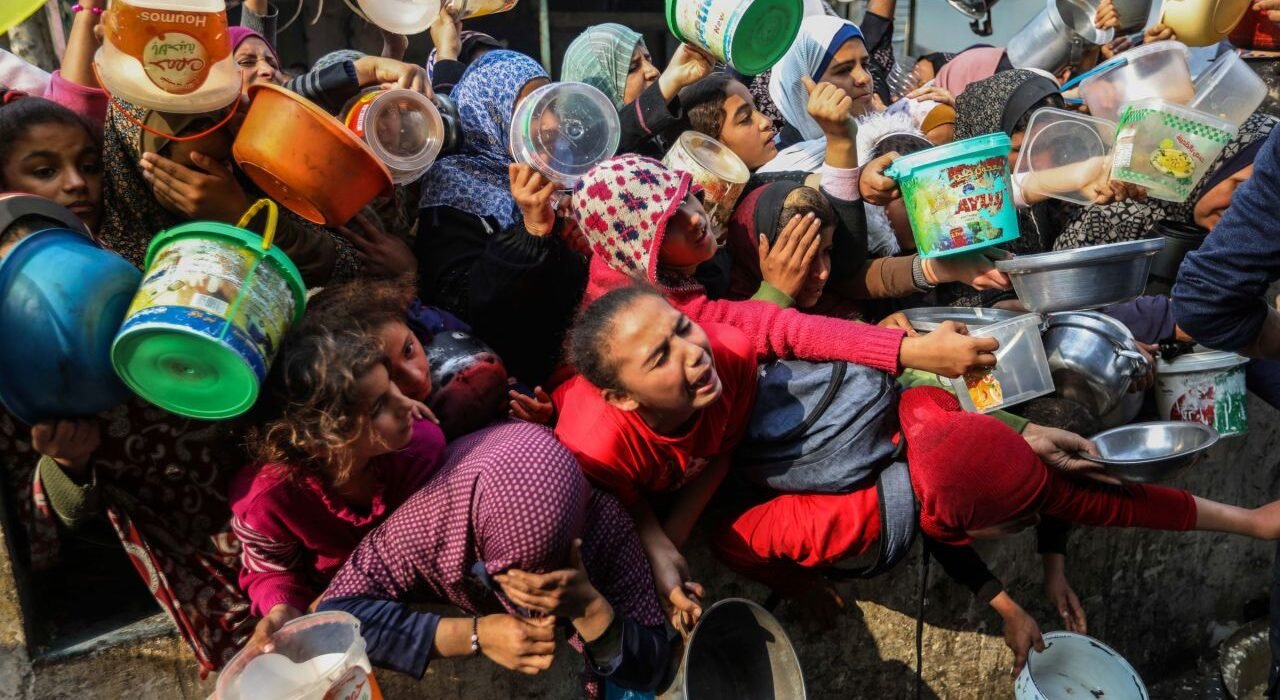
Two converging crises are deepening a global food security emergency that was already at dangerous levels before 2026 began. In Gaza, humanitarian aid flows have dropped by 37 percent as international funding collapses, leaving community kitchens serving basic foods like lentils as the last source of sustenance for hundreds of thousands of people. Simultaneously, the closure of the Strait of Hormuz has driven energy prices to levels that dramatically raise the cost of fertilizer production, agricultural fuel, shipping, and food processing across every continent.
Euronews correspondents on the ground in Gaza have documented the scale of the humanitarian collapse. Only 10 percent of the required humanitarian funding for the territory has been secured. Aid organizations report that the combination of physical access restrictions, funding shortfalls, and the ongoing conflict has created conditions that food security experts classify as famine-level in significant portions of the Gaza Strip. The United Nations has repeatedly warned that without urgent intervention, the situation will worsen.
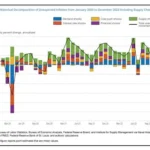
The Gaza crisis exists within a global food system already under enormous stress. The Strait of Hormuz disruption has sent energy prices surging to levels not seen since 2022, following Russia’s invasion of Ukraine. Fertilizer prices, which are closely linked to natural gas prices, have climbed sharply. Agricultural producers across South Asia, Southeast Asia, and Africa face dramatically higher input costs precisely when their populations are already contending with food price inflation.
The IMF has downgraded its global economic growth forecast in direct response to the energy shock, with IMF Managing Director Kristalina Georgieva warning of a looming inflation crisis driven by the combination of energy and food price pressures. The World Bank’s Africa Economic Update notes that rising fuel, food, and fertilizer prices will push inflation higher in Sub-Saharan Africa, disrupting economic activity and disproportionately affecting the most vulnerable households.
For governments across the developing world, the convergence of these pressures creates a fiscal emergency. Food and fuel subsidies that protect the poorest citizens cost money that many governments simply do not have. High debt-service burdens, tight global credit conditions, and declining development assistance are all simultaneously squeezing fiscal space in the countries least able to absorb the shocks.
The EIA projects that even after Hormuz shipping flows begin to gradually resume in late May or early June, the full normalization of global energy supply chains will not occur until late 2026 at the earliest. This extended timeline means the food system impact will persist through the critical northern hemisphere summer planting and growing season and into the fall harvest period.
Global shipping costs have also risen substantially. The effective closure of the Hormuz route has forced oil tankers and LNG carriers to pursue alternative routing where possible, increasing voyage lengths, fuel consumption, and freight rates. These higher shipping costs flow through to the prices consumers pay for food, manufactured goods, and energy in retail markets worldwide.
Read More: New Fires Erupt in Southern California as Trump Prepares to Visit Wildfire Areas
Donor governments face difficult choices. Humanitarian funding for Gaza, Ukraine, Sudan, and other crisis zones is being squeezed by domestic fiscal pressures, political debates about foreign assistance, and the Trump administration’s USAID restructuring, which has reduced U.S. contributions to multiple humanitarian programs. The gap between funding available and funding needed has widened sharply.
Food security experts and international organizations are calling urgently for coordinated multilateral action. The window for preventing the current crisis from becoming a catastrophe remains open, but it is narrowing with each passing week that these converging pressures remain unaddressed.