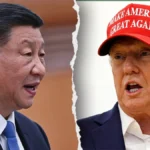






US Economy Faces Inflation Shock, AI Job Disruption and Energy Crisis as Trump Heads to China With Markets Watching Every Word
US economy in May 2026 is navigating crosscurrents that have not appeared simultaneously since the early 1970s, with an energy-driven inflation shock, a technology-driven transformation of the labor market, and a trade war that is just beginning to ease all hitting at once. The Trump administration’s diplomatic mission to Beijing this week sits at the intersection of all three.
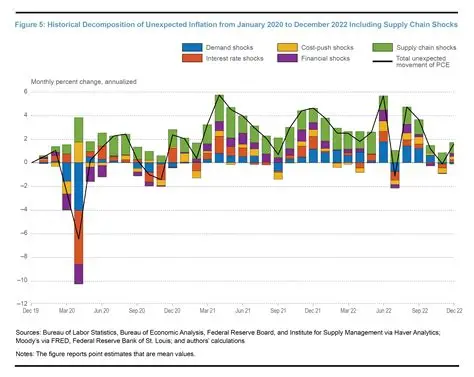
The Iran war has driven energy prices to levels that are feeding directly into consumer prices across every category of spending. Gasoline, food, heating costs, and the price of manufactured goods all carry an energy component, and when oil markets are disrupted at the scale caused by the Strait of Hormuz blockage, the inflationary effect spreads quickly. A new inflation report was expected Wednesday and analysts widely anticipate it will show upward pressure driven directly by the Middle East conflict.
The Federal Reserve is trapped between competing pressures. Inflation driven by an energy shock is typically not responsive to interest rate increases, because the price rises come from supply disruption rather than excess demand. Raising rates aggressively risks tipping the economy into recession. Cutting rates risks allowing inflation expectations to become unanchored. The Fed has remained on hold for most of 2026, and that posture is unlikely to change until the energy situation stabilizes.
AI is simultaneously transforming the labor market in ways that add structural complexity to an already difficult cyclical picture. Employers in technology, finance, legal services, and healthcare are all deploying AI tools at scale, reducing their need for certain categories of workers while creating demand for new skills. The transition is uneven. Workers in fields that AI most easily automates face genuine displacement pressure. Workers with skills in AI development, implementation, and management are in extraordinary demand and commanding salaries that reflect that scarcity.
The H-1B visa debate running through Congress captures this tension. Technology companies argue they need foreign skilled workers to fill AI-related roles because the domestic talent pipeline cannot produce enough qualified candidates fast enough. Critics argue the program suppresses wages for American workers and incentivizes companies to avoid investing in domestic training. The End H-1B Visa Abuse Act of 2026, which proposes a three-year moratorium on new approvals, would force a resolution to this debate, but at potentially enormous economic cost.
Earnings from America’s largest technology and AI-connected companies have remained strong throughout the energy and inflation turbulence. That is partly because digital and AI services are relatively insulated from physical supply chain disruptions. OpenAI’s $852 billion valuation, Google’s continued search dominance, and Microsoft’s expanding AI cloud business reflect genuine and growing economic value. But the gains are concentrated, and broad labor market data tells a more complicated story about who is sharing in the technology boom.
The trade picture is shifting. With the Supreme Court having struck down Trump’s global tariff package, the administration no longer has the same leverage in trade negotiations, but it also no longer has the same liability. Removal of the tariffs reduced one source of inflationary pressure and opened space for negotiated trade deals. The Beijing summit is the first major test of whether the administration can convert that space into binding commercial agreements.
Read More: How Gas Prices Have Changed in New York in the Last Week.
The housing market remains under stress. Mortgage rates have stayed elevated throughout the inflation period, dampening affordability for first-time buyers and reducing existing homeowner incentive to list properties. The resulting supply constraint has kept home prices high even as overall economic confidence has been shaken by energy costs and geopolitical uncertainty.
For American families, the picture in May 2026 is one of resilience under pressure. Employment remains high by historical standards. Wages have grown. But the purchasing power of those wages is being eroded by energy and food inflation, and the anxiety about AI’s effect on job security is real and growing. The outcome of the Trump-Xi summit will not solve all of these problems, but it could meaningfully improve the odds that 2026 ends on a stronger note than it began.