



Trump-Xi Beijing Summit: What Trade Deals, Iran War Resolution and Taiwan Talks Mean for the American Economy Right Now
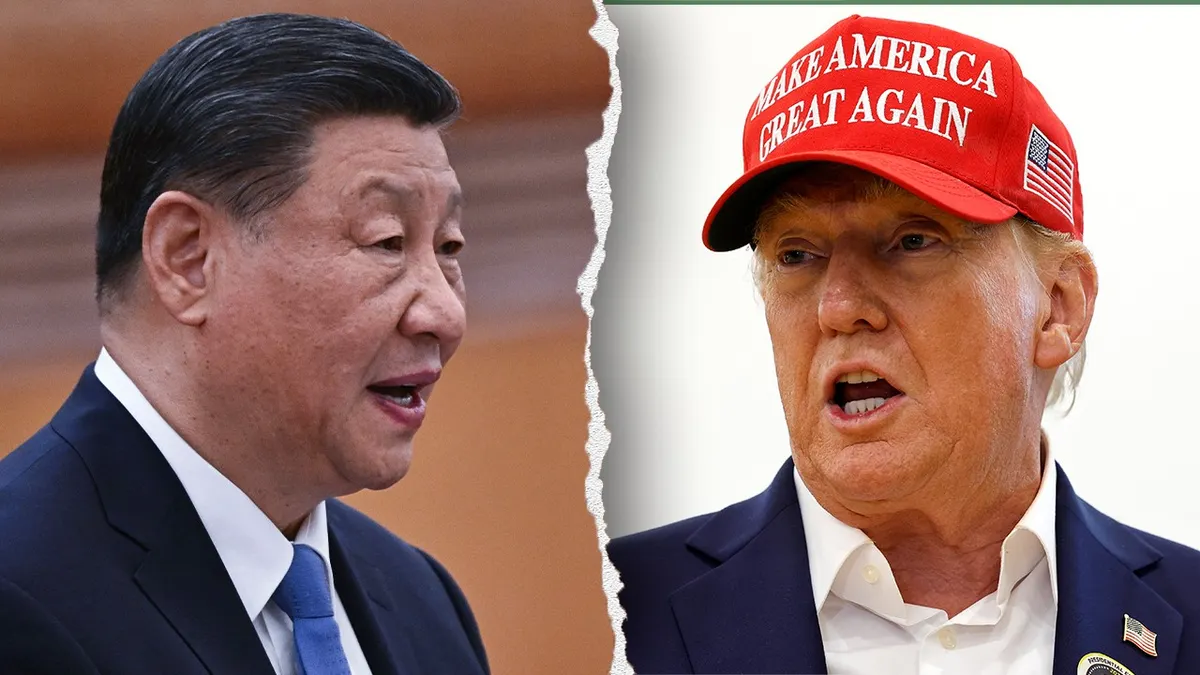
As President Trump touches down in Beijing for his first state visit to China since his return to the White House, markets around the world are holding their breath. The summit with Chinese President Xi Jinping, scheduled for Thursday and Friday in the Chinese capital, carries more direct implications for the American economy than any diplomatic event in recent memory.
Trade is the first and most pressing issue. US-China merchandise trade has fallen by more than a third since Trump’s first term. The Supreme Court struck down his broad global tariff regime as unconstitutional earlier this year, removing the administration’s most powerful unilateral trade weapon and creating an opening for negotiated outcomes. Both sides have signaled interest in a bilateral trade management board that would provide ongoing government oversight of commercial relations, potentially replacing the current chaotic cycle of tariffs and retaliation with something more predictable.
American farmers are watching closely. During the trade war of 2025, China boycotted US soybeans and other agricultural products, inflicting direct financial pain on farm states that voted heavily for Trump. Analysts widely expect Beijing to offer a Chinese purchase commitment for US soybeans and possibly other agricultural goods as a goodwill gesture during the summit. A significant Chinese agricultural purchase order would provide political relief for the administration at home and signal that a genuine trade thaw is underway.
Boeing is staking its near-term commercial prospects on this week’s talks. The company has suffered years without Chinese aircraft orders as airlines bought from rival Airbus instead. CEO Kelly Ortberg attended the summit as part of Trump’s business delegation and last month signaled that China could announce a large Boeing order, potentially the biggest single commercial aviation deal in years. For Boeing, which has faced its own production and certification challenges, a major Chinese order would be transformative.
BlackRock CEO Larry Fink and Citigroup CEO Jane Fraser are also in Beijing, reflecting the financial sector’s enormous stake in normalized US-China relations. Citigroup has seen renewed Chinese investor interest in recent months. A stable diplomatic framework coming out of this summit would accelerate that trend and potentially unlock billions in cross-border financial flows.
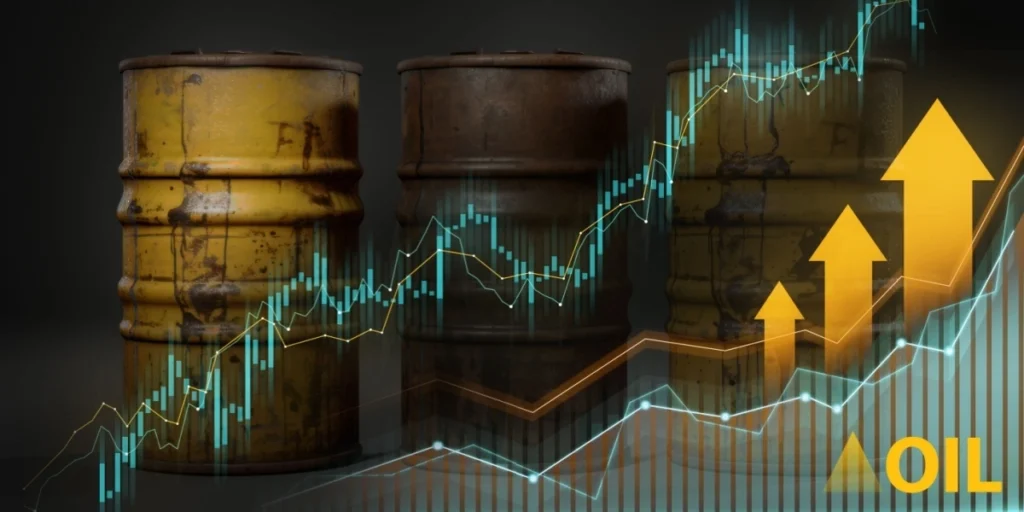
Iran is the wild card that complicates every conversation. The US war with Iran, which began with joint US-Israeli strikes on February 28, has created the most severe global energy shock in history. The Strait of Hormuz disruption has pushed oil and gas prices to painful highs, contributing to US inflation and complicating the Federal Reserve’s ability to cut interest rates. Any progress in Beijing that leads to a coordinated US-China approach to the Iran crisis, or even a joint call for maritime freedom through the Strait, could provide meaningful relief to American consumers through lower energy prices.
Taiwan remains the most sensitive subject in the room. US arms sales to Taiwan and American military posture in the Western Pacific remain deeply divisive. The two leaders are not expected to resolve their fundamental disagreement on Taiwan, but the goal is to keep disagreement from escalating into active confrontation during a period when both sides are already stretched by the Iran situation.
China’s suspension of rare earth exports and its ban on semiconductors from Nexperia China have disrupted global supply chains in ways that affect American automakers, defense contractors, and technology manufacturers. The administration is pushing for relief on rare earths as part of any broader trade package, though Beijing regards rare earth policy as a sovereign prerogative and a strategic asset it is reluctant to give up.
Read More: Hantavirus Cruise Ship Outbreak Exposes Global Health Emergency Response Gaps as Passengers Return Home
Treasury Secretary Scott Bessent and Chinese Vice Premier He Lifeng met in South Korea on Wednesday for a pre-summit working session, aiming to ensure that recent provocations, including US sanctions on Chinese refiners buying Iranian oil and Beijing’s countermeasures, do not blow up the agenda before the principals even meet. Both sides describe the working-level session as constructive.
For American workers, businesses, and consumers, the stakes are immediate. A successful summit that produces trade commitments, agricultural purchases, and even tentative Iran cooperation would lower prices, open markets, and reduce geopolitical risk. A failed summit that deepens tensions would add new uncertainty to an economy already managing inflation, an energy shock, and a rapidly transforming labor market driven by AI.