





Iran Peace Talks Approach Make-or-Break Moment as Trump Holds Military Strikes and Gulf States Push Unprecedented 14-Point Nuclear Framework
Usanewsreporters.com | May 23, 2026 | US Foreign Policy & Middle East | Breaking News
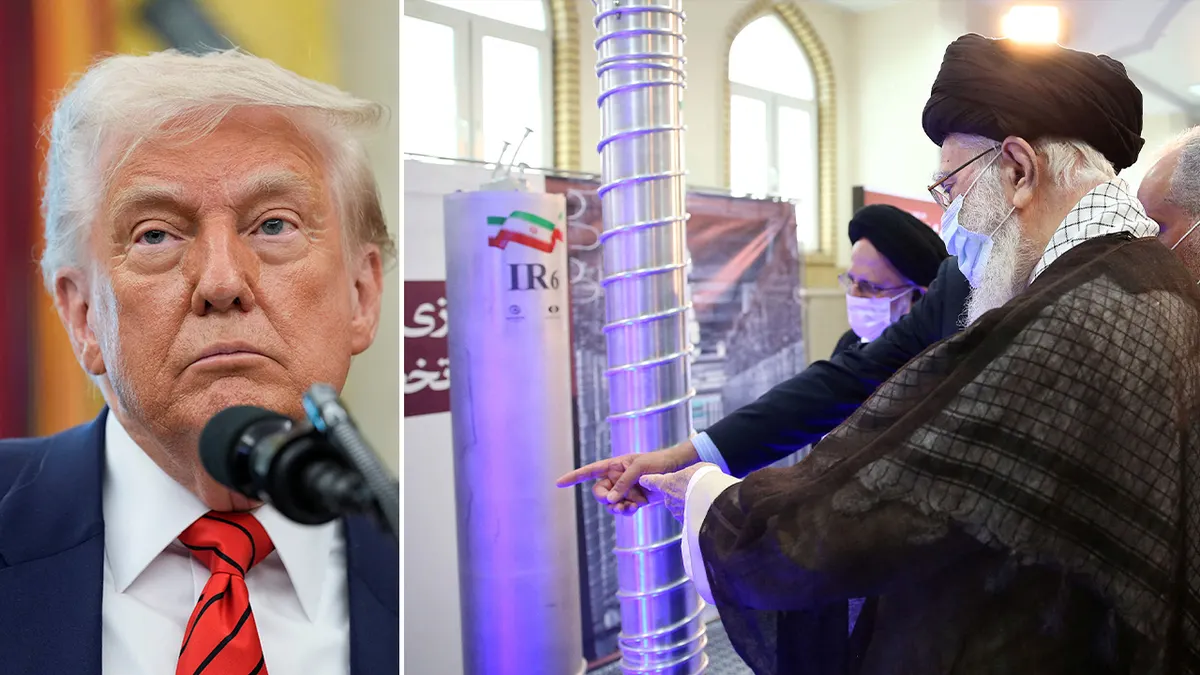
The United States and Iran are closer to a formal peace framework than at any point in the past two years, according to multiple sources familiar with the negotiations. President Trump confirmed this week that he suspended planned military strikes on Iran for two to three days after Gulf states intervened to preserve the diplomatic space needed for ongoing negotiations. The White House now believes it is approaching a one-page memorandum of understanding with Tehran that could end the active phase of the conflict and establish the structure for comprehensive month-long negotiations.
The 14-point document under negotiation is being crafted by Trump’s top foreign policy envoys Steve Witkoff and Jared Kushner working alongside Iranian officials. It represents the most substantive diplomatic engagement between Washington and Tehran since the failure of the 2015 nuclear deal’s revival attempts. The White House expects a response from Tehran on the memorandum framework within 48 hours, according to Axios reporting confirmed by two U.S. officials.
The backdrop to these talks is one of the most dramatic sequences of events in modern Middle Eastern history. In June 2025, the United States launched precision strikes on Iran’s key nuclear facilities at Fordow, Natanz, and Isfahan. President Trump declared the sites completely obliterated. A Pentagon assessment subsequently concluded that Iran’s nuclear program was set back approximately two years. The IAEA confirmed the sites suffered enormous damage, though Iranian officials disputed the extent of destruction.
In late February 2026, the United States and Israel launched a second series of strikes targeting Iran’s conventional military capabilities and responding to the regime’s violent suppression of domestic protests. Those strikes killed Iran’s Supreme Leader Ayatollah Khamenei and damaged Iran’s military infrastructure extensively. Iran’s new Supreme Leader, operating from hiding, issued a statement in March warning of opening other fronts, signaling continued defiance even in the face of severe military degradation.
Iran’s primary remaining leverage is the Strait of Hormuz. Despite its severely diminished military capacity, Tehran retains the ability to threaten commercial shipping through the strategic waterway, and has used that leverage to create the global energy crisis that is now pressuring G7 governments to push for a diplomatic resolution. The effective blockade has sent Brent crude prices up 74 percent year-to-date and is driving inflation and borrowing cost increases across every major economy.
The Carnegie Endowment for International Peace assessed this week that Iran’s leadership recognizes the Strait of Hormuz as its strongest remaining card in these negotiations. The risk for the international community is that Tehran may calculate it can string out negotiations indefinitely while using Hormuz disruption as ongoing leverage, gradually rebuilding military and potentially nuclear capabilities behind the diplomatic cover of talks. That assessment makes the current 48-hour window for a response to the memorandum unusually critical.
Secretary of State Marco Rubio, currently in India for the Quad summit, told journalists that the Strait of Hormuz will reopen one way or another, signaling that the United States is prepared to act militarily if the diplomatic track fails. Iran will never acquire nuclear weapons, he stated, reflecting the red line that has defined American policy throughout this crisis. The combination of those statements reflects the dueling pressures the administration is managing: genuine desire for a deal alongside credible military threat to ensure Iran takes the negotiations seriously.
The issues on the negotiating table are genuinely complex. Beyond the immediate ceasefire, the talks must address freedom of navigation through the Strait of Hormuz, the future of Iran’s nuclear and ballistic missile program, reconstruction assistance for war-damaged infrastructure, sanctions relief that gives Iran’s economy relief from crippling restrictions, and the architecture of a long-term peace agreement. Each element has domestic political constituencies in both countries that must be managed.
Read More: Canadians, Americans Want to Put the Animosity Behind
In Pakistan, the designated mediator for the current talks, officials are working to keep communications open while managing their own delicate relationships with both the United States and the broader Muslim world. Pakistan’s role as a trusted intermediary reflects Islamabad’s consistent investment in diplomatic relationships across ideological divides, a strategy that has occasionally frustrated American officials but has also made Pakistan indispensable in this crisis.
The next 48 to 72 hours represent the most consequential window in this diplomatic process. A positive response from Tehran to the 14-point memorandum framework would signal genuine intent to negotiate a comprehensive settlement and could begin the process of Strait reopening that would ease the global energy crisis. A rejection or delay from Iran would likely trigger a return to military action, with consequences that energy markets, global supply chains, and millions of civilians are not equipped to absorb.