




US Foreign Policy 2026: Trump Navigates Iran War, China Summit, and Global Alliances in Most Consequential Week of His Second Term
This week may be the most consequential week of Donald Trump second presidential term in terms of foreign policy. The US president is simultaneously managing a stalled war with Iran, brokering a fragile peace between Russia and Ukraine, hosting the most important US-China diplomatic summit in a decade, and facing a global energy crisis that is putting pressure on economies from Nairobi to Seoul. The breadth and complexity of what Washington is juggling this week has no recent historical parallel.
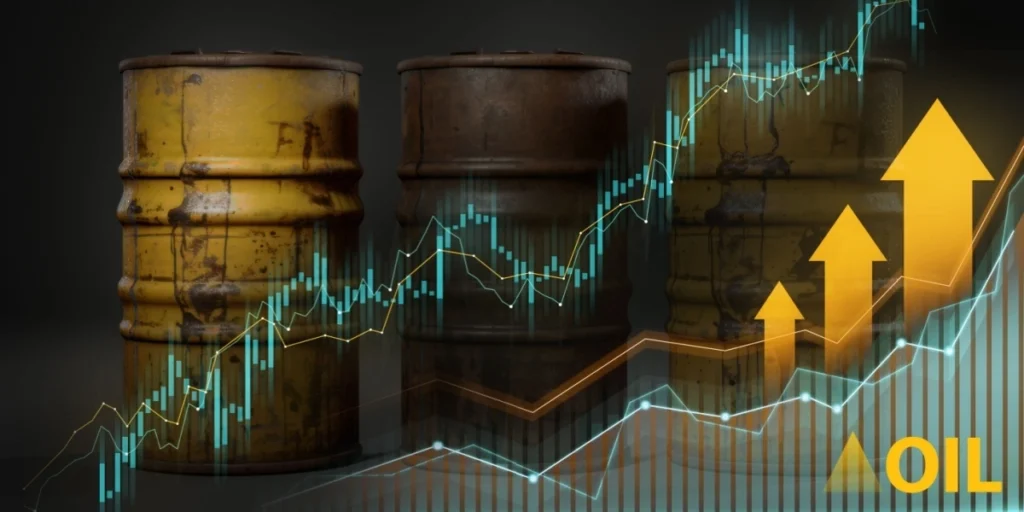
The Iran situation remains the most urgent. Trump rejected Tehran’s counter-proposal for a ceasefire on Sunday, calling it “TOTALLY UNACCEPTABLE” after Iran demanded sovereignty recognition over the Strait of Hormuz, sanctions relief, asset releases, and war reparations without addressing its nuclear program. US Ambassador Mike Waltz had laid out a clear red line on the nuclear issue, and Iran’s proposal crossed it by omission. The rejection means the Strait of Hormuz remains closed and global oil prices remain painfully high, with Brent crude above $104 per barrel.
Trump’s “Project Freedom” initiative to escort commercial vessels through the Strait under US military protection is now on the table, but Iran has warned that any such action would violate its understanding of a ceasefire. The risk of a direct naval confrontation is real and growing.
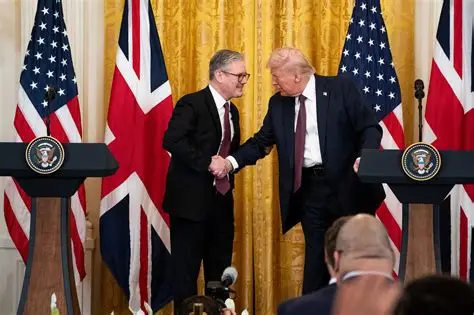
In Beijing, Trump is engaging Xi Jinping in talks that world leaders in Singapore, Tokyo, Brussels, and Moscow are watching with acute concern. The summit covers an enormous range of issues: trade, Taiwan, military communications, technology, fentanyl, and the energy crisis. Even limited cooperation between Washington and Beijing on the Strait of Hormuz could provide near-term oil price relief that would ripple through every economy on earth.
On Ukraine, Trump has announced a prisoner swap agreement between Kyiv and Moscow, each releasing 1,000 prisoners. The three-day ceasefire that held during Putin’s Victory Day parade on May 9 has now expired, and fighting has resumed. Trump’s ability to broker a durable ceasefire, let alone a peace agreement, remains deeply uncertain given the fundamental incompatibility of Russian and Ukrainian negotiating positions.
The administration is also managing a complex tariff environment. A trade court limited the scope of the 10 percent baseline tariff this week, and US-China trade discussions involving Treasury Secretary Scott Bessent and Chinese Vice Premier He Lifeng in South Korea aim to prevent new escalations from derailing any broader progress.
Read More: Elon Musk’s Expanding Government Influence Sparks ‘Coup’ Fears
For American allies, the week raises questions about the reliability and predictability of US foreign policy. Japan and Europe worry that any US-China deal prioritizes American bilateral interests over alliance commitments. Middle Eastern states, particularly Gulf allies who depend on the Strait of Hormuz for their own exports, are watching the Iran negotiations with profound anxiety. Israel is on a collision course with the administration over the Lebanon ceasefire, which Israeli strikes appear to be undermining.
The world Trump is navigating in May 2026 is more dangerous and more interconnected than any US president has faced in decades. His decisions this week in Beijing, and his response to Tehran, will shape the global order for years to come.