




Federal Reserve Gets New Leader as Senate Confirms Kevin Warsh Amid Economic Uncertainty and Energy Price Shock
May 17, 2026 | U.S. Economy | Federal Reserve | Monetary Policy
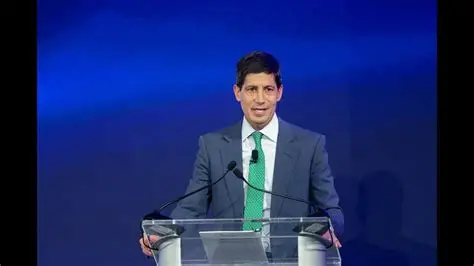
The United States Senate confirmed Kevin Warsh as the next chair of the Federal Reserve this week, placing one of the most consequential economic policymaking positions in the world in new hands at a moment of exceptional complexity for the U.S. and global economies. Warsh inherits a central bank navigating the intersection of lingering inflation pressures, a labor market disrupted by immigration policy, slowing GDP growth, and an external energy shock of historic proportions.
Warsh, a former Fed governor who served during the 2008 financial crisis and has been a prominent voice in monetary policy debates since, takes over at a Federal Reserve that has been managing its way through a period of elevated interest rates deployed to contain the inflation that surged after the COVID-19 pandemic. The challenge he now faces is materially different from any his recent predecessors encountered.
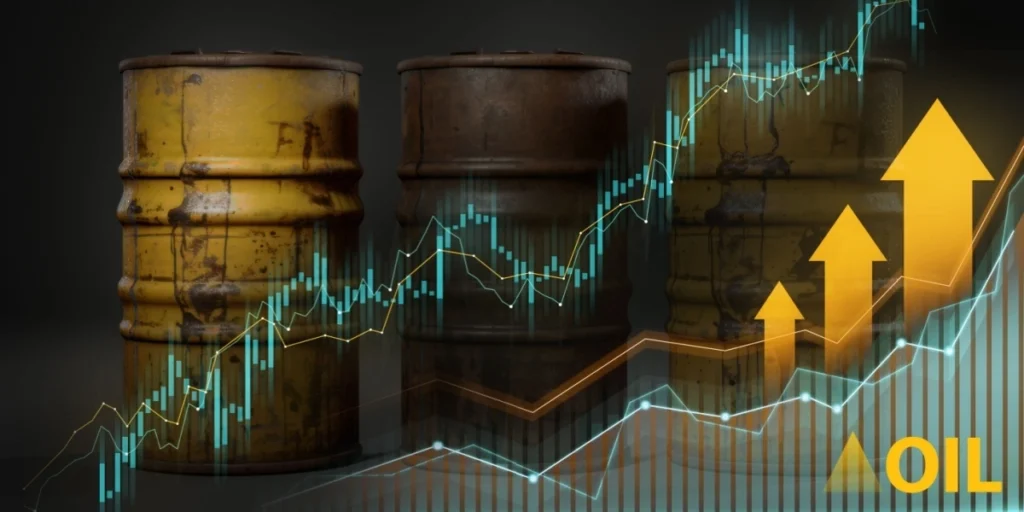
The most immediate external pressure on U.S. monetary policy is the energy shock created by the effective closure of the Strait of Hormuz. The EIA reported that Brent crude averaged $117 per barrel in April, $46 above its February level, with daily prices reaching as high as $138 per barrel on April 7. This energy price surge flows directly into broader consumer price inflation through gasoline, heating fuel, transportation costs, and industrial inputs.
At the same time, the U.S. economy faces a demand-side slowdown driven by the immigration crackdown. The Brookings Institution projects that sustainable monthly job creation may now be as low as 20,000 to 50,000 positions, and could turn negative. Consumer spending is softening in regions with high immigrant populations. GDP growth is being revised downward across multiple forecasting institutions.
The Oxford Economics research firm warned recently that there exists a scenario where oil prices could bring the U.S. economy to a ‘standstill,’ though they noted the current situation is not yet recessionary. The combination of supply-side energy inflation and demand-side labor market weakness creates the conditions that economists call stagflation, a combination historically resistant to easy monetary policy solutions.
Raising interest rates to combat inflation risks further slowing an already weakening economy and labor market. Cutting rates to support growth risks further stoking inflation that is being driven by an external energy supply shock that monetary policy cannot fix. Warsh will need to communicate clearly and credibly about the Fed’s framework for navigating this dilemma while maintaining market confidence in the central bank’s independence and competence.
The national debt situation adds further complexity. Analysts have warned that interest on the national debt will be growing faster than GDP within five years, creating a debt spiral risk that constrains the government’s fiscal options. With the One Big Beautiful Bill Act funding increased immigration enforcement infrastructure, and with energy-related fiscal pressures on state and federal budgets, the fiscal picture is not one that provides an easy backstop to monetary policy challenges.
Read More: New Fires Erupt in Southern California as Trump Prepares to Visit Wildfire Areas
Markets responded to Warsh’s confirmation with cautious attention. His reputation is that of a hawkish, inflation-focused policymaker who is skeptical of unconventional monetary tools. In the current environment, with inflation pressures driven by energy and food prices, his instincts may align well with what the situation demands. But the stagflationary risk means that a purely hawkish approach could prove economically damaging.
The Fed’s next meeting will be closely watched for signals about how Warsh intends to frame the central bank’s response to the current environment. His opening communications as chair will set the tone for market expectations and global economic confidence at a moment when both are in short supply.