



Trump vs. Pope Leo XIV: The Defining Battle Between America’s Two Most Powerful Global Voices
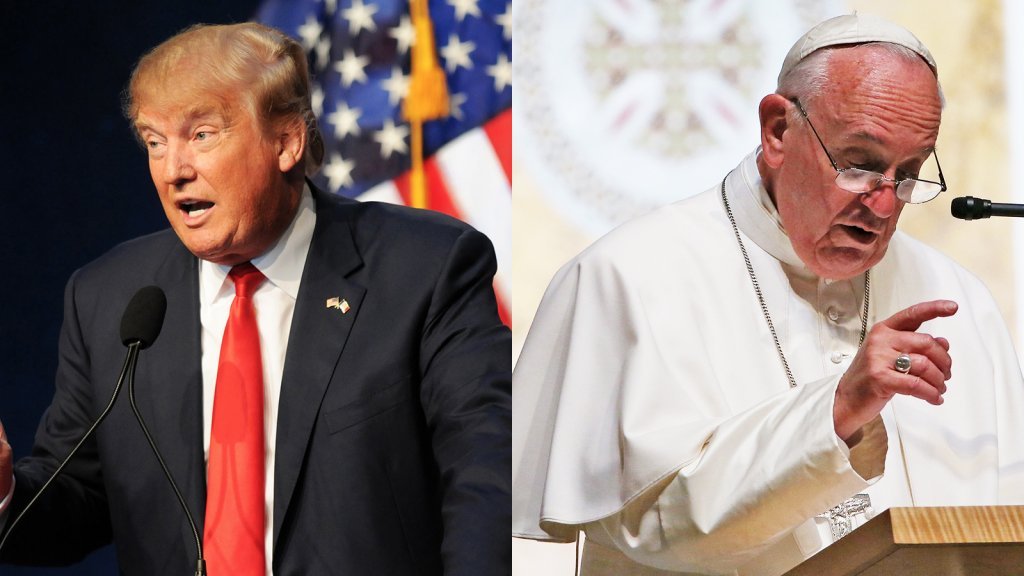
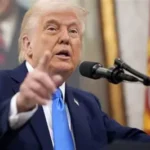
In the spring of 2026, a remarkable geopolitical confrontation has formed at the intersection of religion, war, and American politics. For the first time in history, the two most powerful American-born figures in the world are engaged in an open, public conflict — and the rest of the world is watching. President Donald Trump and Pope Leo XIV, the first American-born pope in the Catholic Church’s 2,000-year history, have been exchanging escalating broadsides over the U.S.-Iran war, immigration, nuclear weapons, and the morality of American military power.
Trump struck first in a social media post last month, calling Leo “WEAK on Crime, and terrible for Foreign Policy.” The president took further shots on Monday, May 5, when he told reporters that the pope “thinks it’s just fine for Iran to have a nuclear weapon” and that Leo is “endangering a lot of Catholics and a lot of people.” Both claims are false. Pope Leo XIV has never advocated for Iranian nuclear capability. He has consistently condemned nuclear armament globally — including U.S. and Israeli nuclear arsenals — and called for all parties to pursue a ceasefire in the Iran war through diplomacy rather than military force.
Leo, for his part, has not backed down. On Tuesday, Leo said publicly that people are free to criticize him but should “do so with the truth.” On nuclear weapons, the pope was pointed: “The Church has for years spoken out against all nuclear weapons, so there is no doubt on that point.” Leo has called on U.S. bishops to speak publicly against the Trump administration’s immigration enforcement policies and to advocate for migrants. He has urged ordinary Catholics around the world to contact their elected representatives to demand peace.
The collision between Trump and Leo carries enormous political weight. A Washington Post-ABC News-Ipsos poll published May 6 shows that Trump’s approval rating among U.S. Catholics dropped to 38 percent — a 10-point fall since February 2025, when the war in Iran began. Among White Catholics, once among Trump’s most loyal constituencies, approval fell from 63 percent to 49 percent. That collapse represents a meaningful political liability heading into November midterms.
On Thursday, May 7, Secretary of State Marco Rubio flew to the Vatican in an effort to contain the damage. Rubio, himself a prominent Catholic and the most visible Catholic voice in the Trump administration, met with Pope Leo in the pope’s private library at the Apostolic Palace for more than 45 minutes. They exchanged gifts. The pope gave Rubio an olive wood pen — “olive being the plant of peace.” Rubio gave the pope a crystal football with the State Department seal. The Vatican described the talks as “cordial.” But Vatican Secretary of State Cardinal Pietro Parolin had signaled the day before that nothing would go unaddressed: “We can’t not touch on these topics.”
Read More: Gen Z Protests Shake Madagascar as Youth Demand President’s Resignation
The Vatican’s statement after the meeting was diplomatic in tone but clear in content. It noted that discussions covered “countries marked by war, political tensions, and difficult humanitarian situations, as well as the need to work tirelessly in support of peace.” The Vatican also noted that Cuba, Lebanon, Iran, and conflicts in Africa were covered. There will be no papal visit to the United States in 2026.
Rev. Antonio Spadaro of the Vatican’s Dicastery for Culture and Education wrote that Rubio’s visit represents an attempt “to cool the rhetoric” and return the confrontation “to a quieter, more institutional register.” Whether that works depends more on Trump’s next social media post than on anything discussed in the Apostolic Palace.