




Hajj 2026 Day of Arafat Begins as Trump Claims Iran Deal is ‘Largely Done’ and Oil Markets Brace for Strait of Hormuz Decision
Usanewsreporters.com | Breaking News | May 26, 2026 | Middle East | Islam | Oil Markets | Iran
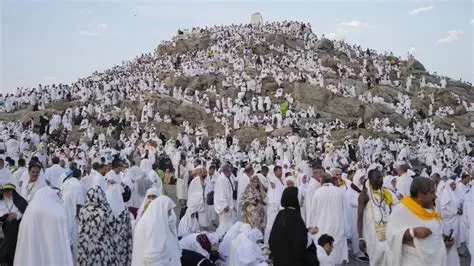
This morning marks one of the most symbolically loaded days of 2026. More than 1.5 million Muslim pilgrims stand today on the sacred plains of Mount Arafat in Saudi Arabia for the Day of Arafat, the spiritual peak of the Hajj pilgrimage, while simultaneously the world awaits the outcome of U.S.-Iran negotiations that Donald Trump claimed on Saturday are ‘largely done.’ Oil markets, stalled shipping lanes, and the economic futures of billions of people hang on whether the diplomatic breakthrough Trump announced holds, or whether it collapses in the manner his previous announcements have.
Trump said in a Truth Social post on Saturday that he had spoken from the Oval Office with the leaders of Saudi Arabia, the UAE, Qatar, Pakistan, Turkey, Egypt, Jordan, Bahrain, and Israeli Prime Minister Benjamin Netanyahu, all focused on finalizing terms with Iran. ‘An Agreement has been largely negotiated, subject to finalization between the United States of America, the Islamic Republic of Iran, and the various other Countries,’ Trump wrote. He added that details would be announced shortly. Global oil futures fell sharply in initial reaction, with traders pricing in the possibility that the Strait of Hormuz would soon reopen and the energy price shock that has defined the first five months of 2026 would begin to reverse.
Iran immediately complicated that narrative. Semi-official media reports on Sunday indicated that wide gaps remain between the two sides, particularly on the core question of who controls the Strait of Hormuz. Iranian spokesperson Mohammad Baghaei stated that any arrangement concerning the strait belongs to Iran, Oman, and the bordering countries, and that the United States has nothing to do with it. Chief negotiator Mohammad Bagher Ghalibaf warned that Iran will not back down from its national rights. Within the past 24 hours, at least 33 ships including oil tankers transited the strait with Iranian permission, according to the IRGC Navy, but about 240 additional ships remain waiting for clearance.
Trump himself struck a more cautious note on Sunday, saying negotiations are proceeding in an orderly and constructive manner but warning his team not to rush into a deal and confirming that the Strait of Hormuz blockade remains in full force until an agreement is reached, certified, and signed. The day-over-day shift from triumphant announcement to cautious qualification reflects the pattern that has characterized this entire diplomatic process. Since the U.S. and Israel launched strikes on Iran on February 28, Trump has repeatedly suggested the conflict is nearly over, only for the situation to persist.
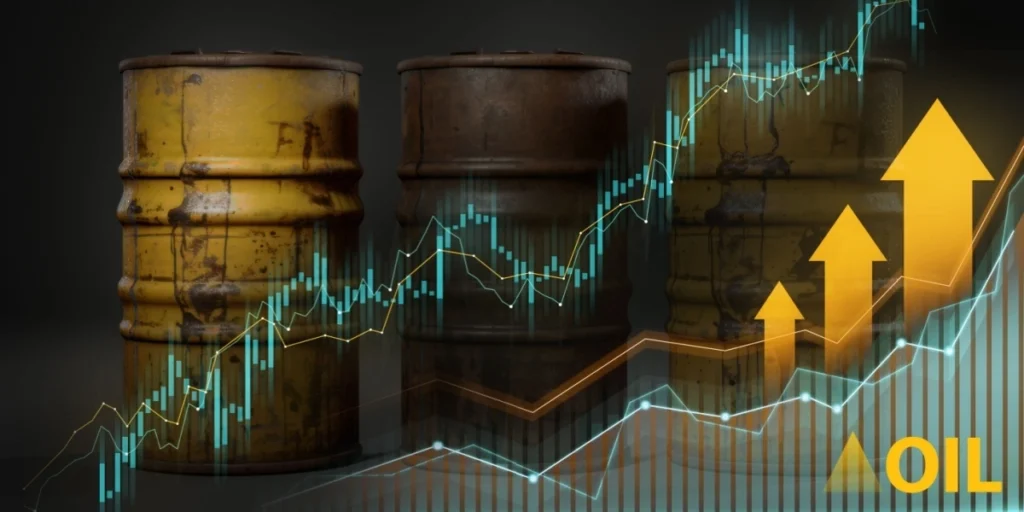
The stakes of getting this right are enormous. Brent crude has risen 74 percent year-to-date, U.S. gasoline prices nationally exceed $4 per gallon, and the 30-year U.S. Treasury yield hit a one-year high last week as investors priced in sustained energy-driven inflation. A genuine deal that reopens the strait could trigger one of the fastest oil price corrections in decades, providing immediate relief to consumers, central banks, and governments across the world. A failed negotiation risks another military escalation with consequences that the global economy in its current stressed state cannot absorb.
The Hajj pilgrimage proceeding amid all of this carries layers of meaning that go beyond the geopolitical. The 1.5 million pilgrims gathering at Arafat today include Muslims from every country touched by this conflict, from Iran and Saudi Arabia to Pakistan, Egypt, Indonesia, and Nigeria. They are performing a religious obligation that requires peace, open borders, and functioning air routes. The fact that they are here, that they made it through war, disrupted flights, and soaring travel costs, is itself a statement about the depth of faith that political violence cannot extinguish.
Saudi Arabia has invested billions in Hajj infrastructure over recent years, and that infrastructure is being tested at one of its most challenging moments. Iranian strikes earlier in the conflict targeted Saudi facilities, and while Saudi Arabia’s air defenses and rapid recovery demonstrated resilience, the psychological impact on Gulf states of being struck by Iranian weapons during a conflict they sought to avoid through diplomacy has been significant. The presence of pilgrims from Iran among this year’s Hajj population, given all that has happened, is itself a remarkable act of religious and human solidarity.
The Day of Arafat itself carries particular weight this year. Pilgrims stand at the mount where the Prophet Muhammad delivered his final sermon, a sermon that included his declaration that the life and property of every Muslim is sacred. Against a backdrop in which thousands of lives have been lost in a regional war, that message resonates with particular urgency. Many of the pilgrims standing at Arafat today will be praying specifically for peace, for an end to the conflict, and for the leaders of their nations and the world to find the wisdom to stop the killing.
Read More: Supreme Court Guts Voting Rights Act in Landmark Blow to Democracy as Midterm Election Maps Are Redrawn Across Southern States
The coming hours will determine whether Trump’s announcement translates into a signed agreement or fades into the growing list of premature declarations. Iran’s foreign ministry confirmed there is a memorandum of understanding framework under discussion as a first phase, with broader talks over 30 to 60 days to follow. That phased approach suggests both sides see value in a structured process. Whether the specific terms of the first phase can be agreed before any additional military action resumes is the question on which everything hinges.
Oil markets will trade on every word that emerges from the negotiating rooms and social media accounts of the parties in the coming days. The world has lived through five months of energy crisis driven by this conflict. The pilgrims at Arafat today pray for the peace that would end it. The diplomats negotiating behind closed doors hold the practical power to deliver that peace or to deny it. The weight of history, human suffering, and global economic necessity rests on their decisions in the next 48 hours.