






AI Industry 2026: Elon Musk’s OpenAI Lawsuit Heats Up as Key Witness Emerges and Tech Giants Battle for AI Supremacy
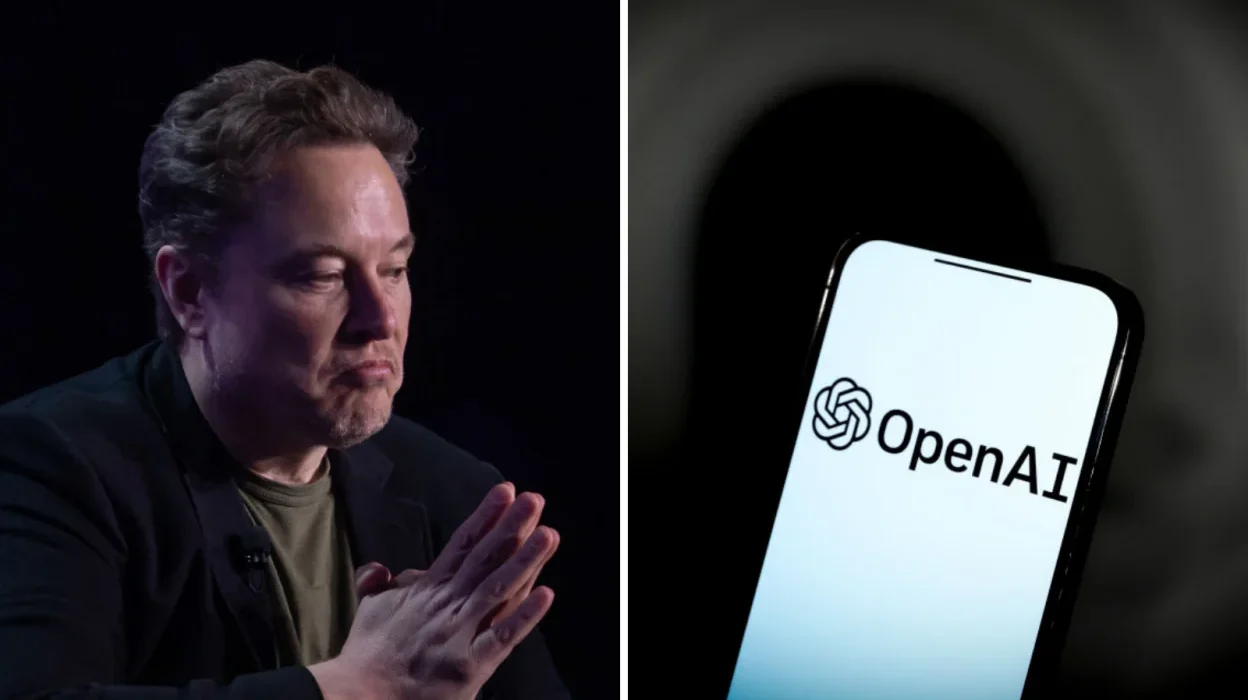
The legal and commercial battle over the future of artificial intelligence intensified dramatically this week as a key witness emerged in Elon Musk’s ongoing lawsuit against OpenAI. A woman who is the mother of one of Musk’s children has become a central figure in the litigation, with her testimony expected to shed light on internal communications and decisions made during the critical early years of OpenAI’s development. The case, which Musk filed arguing that OpenAI betrayed its founding nonprofit mission by becoming a commercial enterprise closely tied to Microsoft, is now drawing fresh attention from both the legal and technology communities.
The lawsuit reaches to the heart of one of the most consequential questions in modern technology: who controls the most powerful artificial intelligence systems in the world, and on what terms? Musk argues that OpenAI was founded as a nonprofit specifically to ensure that transformative AI would benefit all of humanity rather than serve the commercial interests of a private company or its investors. OpenAI and Microsoft dispute his characterization and argue that commercial partnerships are essential to fund the enormous computational costs of developing frontier AI systems.
The AI industry is simultaneously navigating a period of extraordinary commercial growth and intense regulatory scrutiny. Enterprise adoption of large language models has accelerated across finance, healthcare, legal services, and manufacturing. Companies are integrating AI into core business processes at a pace that is outrunning the regulatory frameworks governments are scrambling to build. The European Union’s AI Act, which entered into force in stages through 2025 and 2026, represents the world’s most comprehensive attempt to regulate artificial intelligence by risk category, but US-based AI companies say its compliance requirements add complexity without necessarily improving safety.
The race for AI dominance is intensely competitive. Anthropic, Google DeepMind, Meta AI, and a growing field of specialized model developers are all competing with OpenAI for enterprise contracts, talent, and the infrastructure relationships that determine who can train the most capable models. The cost of training frontier AI models has fallen significantly over the past two years due to efficiency improvements, but the cost of deploying AI at scale across major enterprise clients remains substantial, creating a dynamic where capital relationships still determine competitive outcomes.
Meanwhile, AI’s role in financial planning is drawing regulatory attention. The US Securities and Exchange Commission has begun preliminary reviews of how AI-generated financial advice products should be regulated, particularly as millions of Americans tell pollsters they are turning to AI chatbots for retirement and investment guidance. The gap between what these tools can accurately provide and what users believe they are receiving is a source of genuine concern for financial regulators.
Read More: Stagflation Warning Flashes Red: How the Iran War Oil Shock, Trump Tariffs, and Mass Deportations Are Combining to Create the Perfect Economic Storm for American Workers in 2026
In geopolitics, AI is increasingly embedded in military and intelligence applications that receive far less public scrutiny than consumer products. The US military’s use of AI for logistics, targeting assistance, and intelligence analysis has expanded significantly. China’s military AI programs are advancing along a parallel track. The Trump-Xi summit in Beijing this week includes discussions about guardrails for military AI applications, though expectations for binding agreements in this area are low.
The Musk-OpenAI case, whenever it reaches resolution, will set important precedents about how founding agreements, fiduciary duties, and mission statements function in the world of high-stakes technology development. The outcome will shape how future AI companies are structured, governed, and held accountable.